Exploring Chinese Intangible Cultural Heritage
China’s intangible cultural heritage refers to various traditional cultural expressions passed down from generation to generation by people of all ethnic groups and regarded as part of their cultural heritage, as well as physical objects and places related to traditional cultural expressions. There are various types of intangible cultural heritage in China, covering traditional crafts, performing arts, folk festivals, oral traditions, and other fields
cultural treasure
culture charm
Historical heritage and continuity
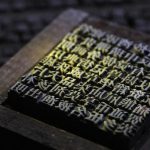
The only uninterrupted ancient civilization: from oracle bone inscriptions to modern Chinese characters, from the Book of Songs to contemporary literature, the cultural context is clear and traceable.
The vitality of inclusiveness: Throughout history, foreign cultures have been integrated multiple times (such as the sinicization of Buddhism and the Silk Road exchange), forming a tolerant “harmony in diversity” approach
Art and Aesthetics
Freehand brushwork aesthetics: calligraphy and ink painting pursue “spirit likeness” rather than shape likeness, reflecting the oriental artistic conception of implicit blank space.
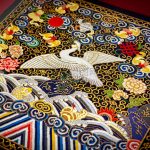
Craftsmanship: Techniques such as porcelain and embroidery combine practicality and aesthetics to the extreme (such as the minimalist aesthetics of Song porcelain).