
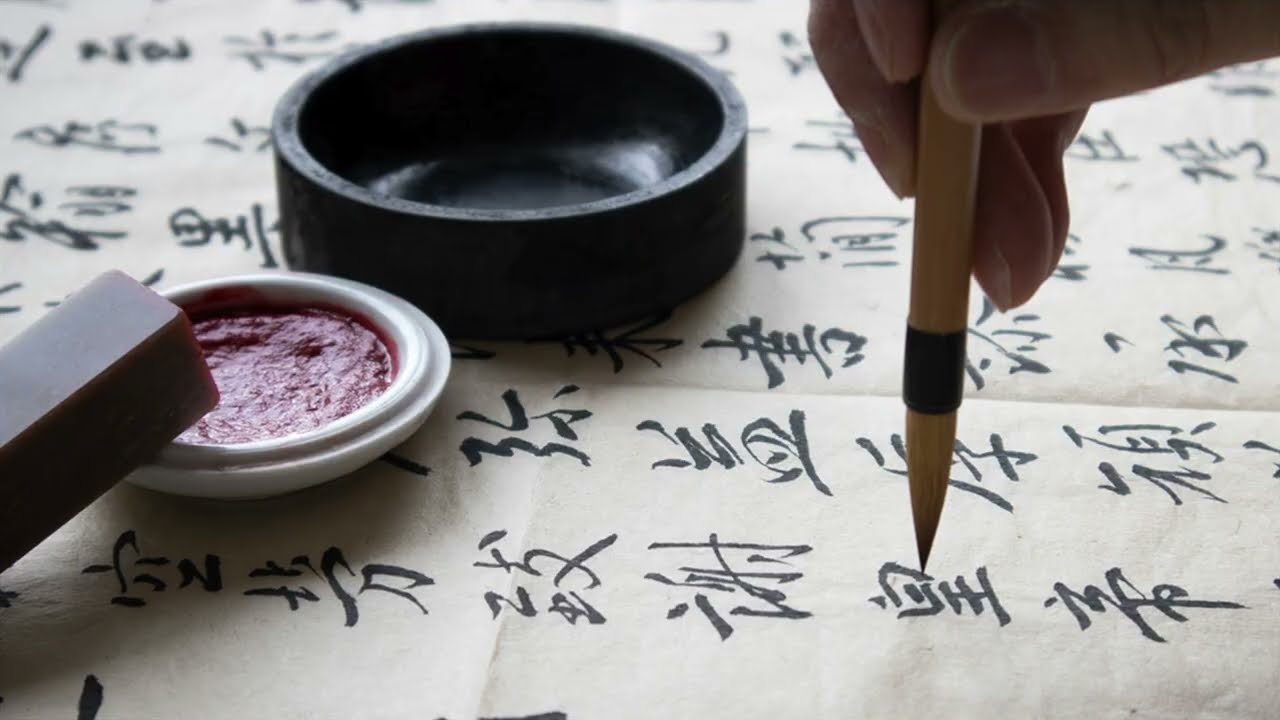
Chinese calligraphy is far more than just the art of writing Chinese characters—it is a profound cultural practice that combines aesthetics, philosophy, morality, and self-cultivation, weaving together thousands of years of Chinese civilization into every stroke. For over 3,000 years, it has been regarded as the “highest art form” in China, cherished by scholars, poets, emperors, and ordinary people alike. Unlike Western calligraphy, which focuses primarily on the beauty of letterforms, Chinese calligraphy is a holistic art that expresses the writer’s personality, emotion, and spirit, making each piece a unique reflection of the artist’s inner world. It is not just a tool for communication; it is a way of life, a form of meditation, and a bridge between the past and the present, carrying the wisdom and elegance of Chinese culture through the ages.
The history of Chinese calligraphy is closely intertwined with the evolution of Chinese characters, which date back to the oracle bone scripts of the Shang Dynasty (1600-1046 BC). These ancient scripts, carved on turtle shells and animal bones, were simple, pictographic symbols used for divination, marking the earliest form of Chinese writing. Over time, these symbols evolved into bronze inscriptions during the Zhou Dynasty, which were more refined and decorative, often used on ritual vessels to record important events. It was not until the Eastern Han Dynasty (25-220 AD) that calligraphy began to be recognized as an independent art form, with the emergence of professional calligraphers and the development of systematic writing techniques. The famous calligrapher Cai Yong, for example, wrote the “Treatise on Calligraphy,” which laid the foundation for the aesthetic principles of Chinese calligraphy, emphasizing the importance of brush control, line quality, and spiritual expression.
One of the most distinctive features of Chinese calligraphy is its five main styles, each with its own unique beauty, structure, and cultural connotation. These styles evolved over centuries, reflecting the changing social and cultural landscape of China. The first style is seal script (zhuan shu), the oldest surviving style, characterized by its ancient, elegant, and rounded lines. It was widely used in the Qin Dynasty (221-207 BC) as the official script, and its characters are often compared to ancient jade carvings, with a sense of solemnity and dignity. Seal script is still used today in seals, artworks, and formal occasions, symbolizing tradition and authority.
The second style is clerical script (li shu), which emerged during the Han Dynasty as a simpler and more practical alternative to seal script. Clerical script has broad, flat strokes and a steady, upright structure, making it easier to write quickly. Its lines are bold and powerful, with a sense of stability and grandeur, reflecting the prosperity and confidence of the Han Dynasty. Clerical script was widely used in official documents and inscriptions, and it laid the foundation for the development of later calligraphic styles.
The third style, and the most widely used today, is regular script (kai shu). Developed during the Wei and Jin dynasties (220-420 AD), regular script is neat, standard, and symmetrical, with clear, precise strokes and a balanced structure. It is the official script used in modern Chinese writing, taught in schools and used in daily communication. Regular script emphasizes clarity and readability, but it also allows for artistic expression—skilled calligraphers can infuse their own style into the characters while maintaining the basic structure. The Tang Dynasty calligrapher Ouyang Xun, for example, is famous for his regular script, which is known for its strict structure and elegant lines, still studied by calligraphy learners today.
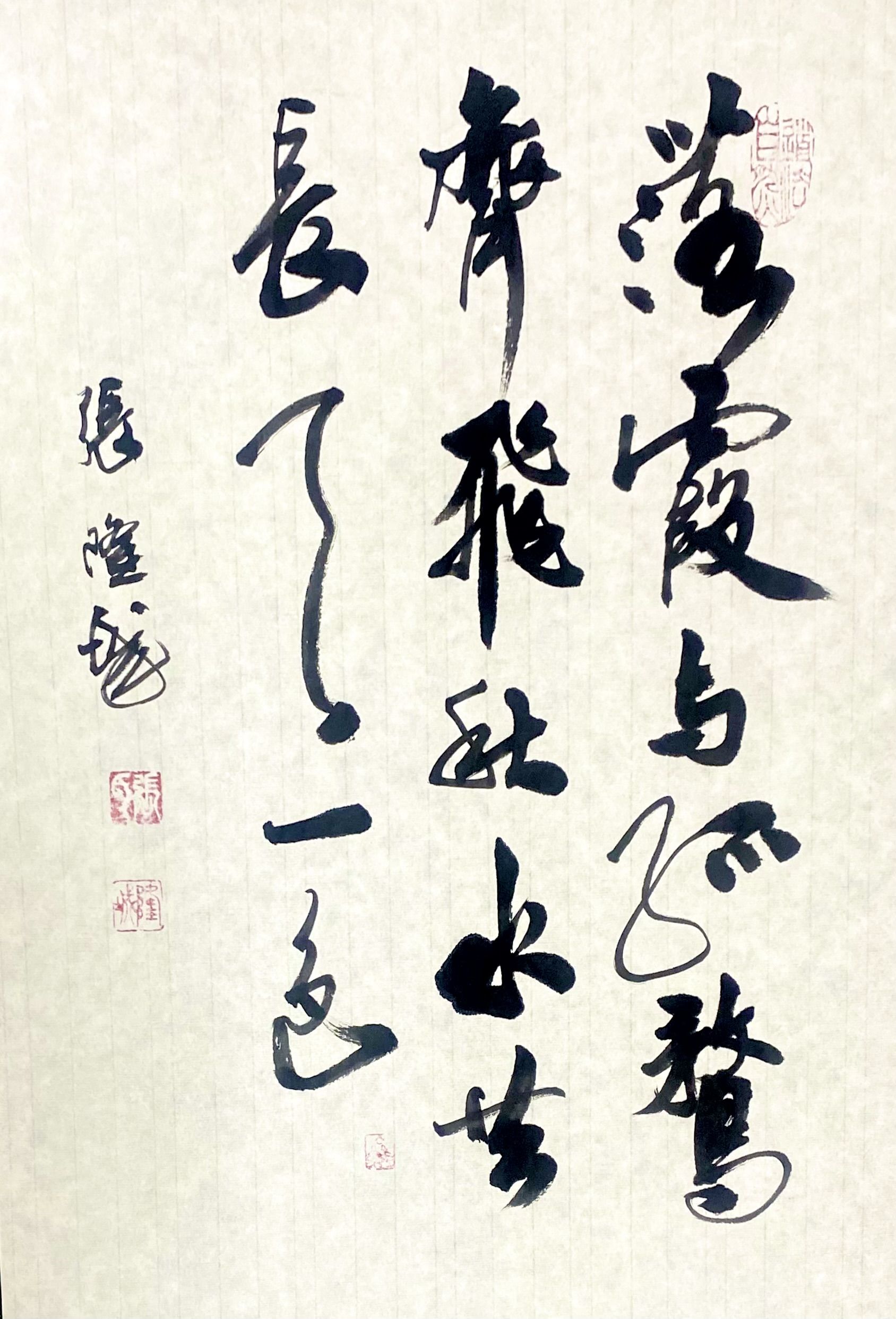
The fourth style is running script (xing shu), a more fluid and lively style that combines the structure of regular script with the freedom of cursive script. Running script is characterized by its smooth, connected strokes, which allow the writer to move quickly and express emotion more freely. It is often used in personal letters, poems, and works of art, as it balances readability with artistic expression. The Eastern Jin calligrapher Wang Xizhi, known as the “Sage of Calligraphy,” created the famous “Preface to the Lanting Collection” in running script, a work that is still regarded as the pinnacle of Chinese calligraphy. His writing is graceful, fluid, and full of emotion, capturing the beauty of nature and the joy of friendship.
The fifth style is cursive script (cao shu), the most free and expressive style of calligraphy. Cursive script is characterized by its rapid, flowing strokes, which often connect multiple characters into a single, continuous line. It is not meant to be easily read by those unfamiliar with the style; instead, it focuses on expressing the writer’s emotion and spirit. Cursive script is often used in artistic works, where the beauty of the lines and the energy of the writing take precedence over readability. The Tang Dynasty calligrapher Zhang Xu, known as the “Crazy Calligrapher,” was famous for his cursive script, which was full of passion and energy, reflecting his bold and unrestrained personality.
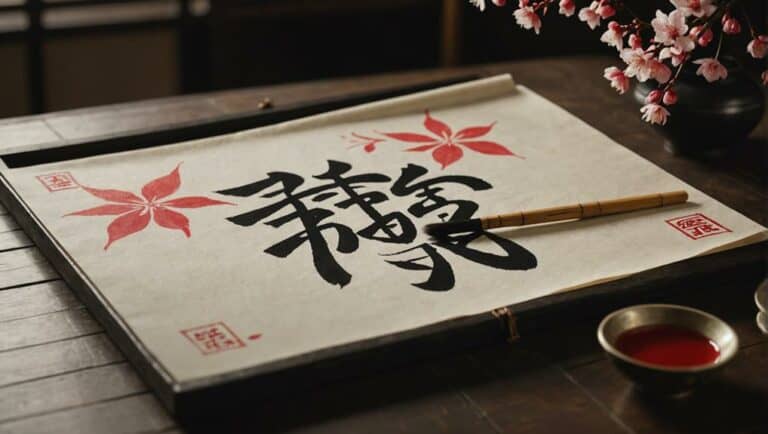
To practice Chinese calligraphy, one must master the “Four Treasures of the Study” (wenfang sibao)—the writing brush, ink, ink stone, and paper—each of which plays a crucial role in creating beautiful calligraphy. The writing brush is the most important tool, made of animal hair (usually goat, wolf, or rabbit hair) attached to a bamboo or wooden handle. The quality of the brush determines the thickness, flexibility, and texture of the strokes—soft brushes create gentle, flowing lines, while hard brushes create bold, powerful strokes. Calligraphers often have multiple brushes for different styles and strokes, and they take great care to maintain their brushes, washing them after use and storing them properly.
Ink is another essential tool, made from pine soot or tung oil soot mixed with animal glue and water. Good ink is smooth, black, and has a subtle luster, allowing the calligrapher to create different shades of black by adjusting the amount of water. The ink stone is used to grind the ink stick into ink, and it is usually made of stone, with a smooth surface that helps to create a fine, uniform ink. The paper used for calligraphy is usually rice paper (xuan paper), which is thin, absorbent, and durable. Rice paper allows the ink to spread slightly, creating a soft, blurred effect that adds to the beauty of the calligraphy. The combination of these four tools is essential to creating high-quality calligraphy, and calligraphers often spend years selecting and mastering them.
In traditional China, calligraphy was not just an art form—it was an important part of education and self-cultivation. Scholars and officials were expected to be skilled in calligraphy, as it was seen as a reflection of their moral character and cultural literacy. Practicing calligraphy was a form of meditation, requiring focus, patience, and concentration. It taught people to be calm, disciplined, and mindful, as every stroke required careful thought and control. Calligraphy was also closely connected with poetry and painting—many calligraphers were also famous poets and artists, and their works often combined calligraphy, poetry, and painting into a single piece of art. This integration of different art forms reflected the Chinese philosophy of harmony and unity.
Today, Chinese calligraphy continues to thrive, both in China and around the world. It is taught in schools, art colleges, and community workshops, where people of all ages learn to practice this ancient art. In China, calligraphy competitions and exhibitions are held regularly, attracting thousands of participants. Many young people are becoming interested in calligraphy, seeing it as a way to connect with their cultural heritage and express their creativity. Internationally, Chinese calligraphy has gained widespread recognition, with exhibitions held in museums and galleries around the world. It has become a symbol of Chinese culture, representing elegance, wisdom, and spiritual depth.
What makes Chinese calligraphy so enduring is its ability to connect the past with the present, the individual with the community, and the physical with the spiritual. It is an art that is both timeless and contemporary, simple and profound. Every stroke carries the weight of history, the beauty of nature, and the emotion of the artist. It teaches us to slow down, to focus, and to appreciate the beauty of simplicity. In a world that is becoming increasingly digital and fast-paced, Chinese calligraphy reminds us of the value of tradition, the power of creativity, and the importance of self-cultivation. It is a living heritage that continues to inspire and captivate people around the world, proving that true art transcends time and borders.